
Success Starts With the Right Audience
One of the most common reasons PPC campaigns struggle is that they target the wrong audience. Many businesses assume more traffic automatically means better results. In reality, attracting the wrong visitors often leads to wasted advertising dollars and disappointing performance.
Successful campaigns start by understanding who’s searching, what they’re looking for, and where they are in the buying process. Someone searching for general information behaves differently from someone actively looking to hire a company or purchase a service.
Effective PPC advertising management focuses on reaching people with meaningful intent rather than simply generating as many clicks as possible. When the audience is right, every other part of the campaign becomes more effective.
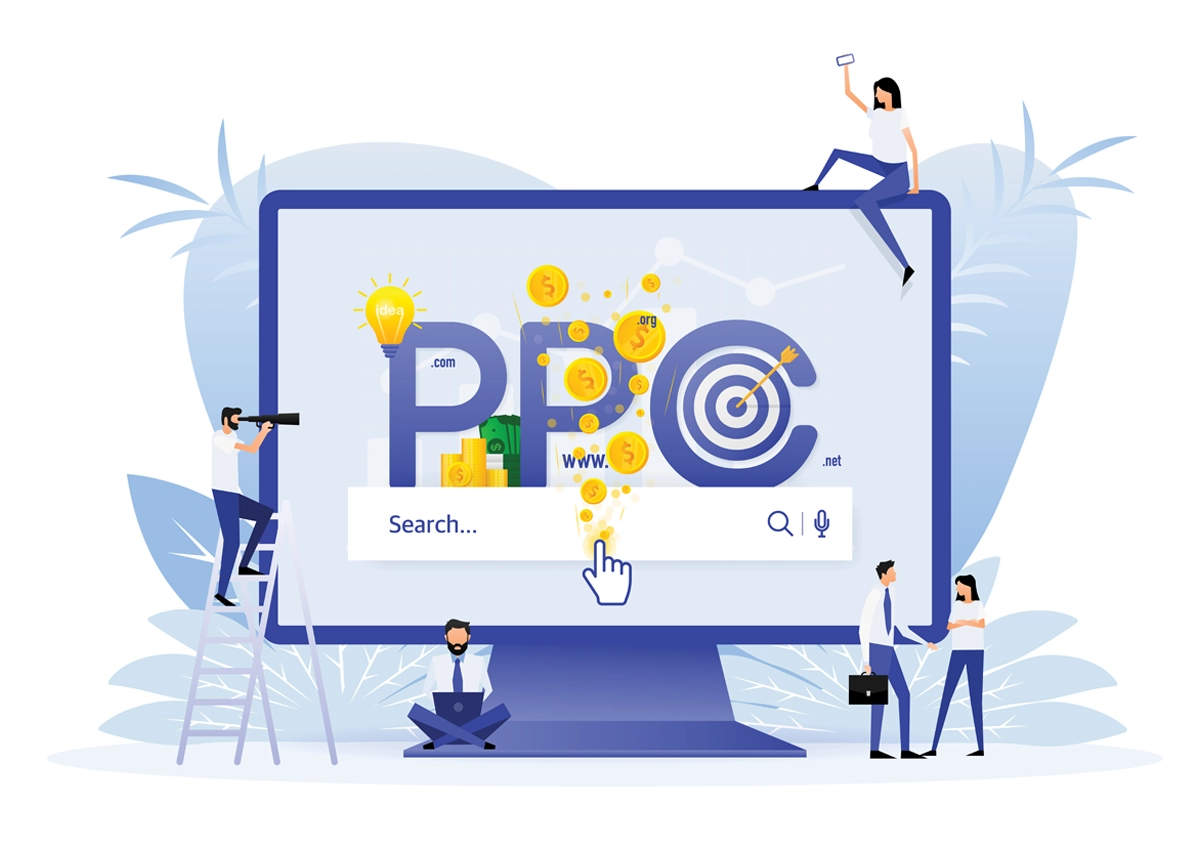
For Google, The Keywords Matter More Than Most Businesses Realize
Keywords are the foundation of a Google Ads PPC campaign. While they aren’t used for Meta Ads or LinkedIn Ads, on Google, they determine when your ads appear and who sees them. Many unsuccessful campaigns rely on broad keywords that attract large numbers of visitors but relatively few qualified prospects. While traffic may increase, lead quality often suffers.
Successful Google Ads campaigns typically include a mix of carefully selected keywords that align with customer intent. They also use negative keywords to prevent ads from appearing for irrelevant searches.
For example, a business may want to appear in searches related to hiring a service provider but avoid appearing in searches by people looking for jobs, training, or free resources. Good keyword management helps protect advertising budgets and improve lead quality.
Strong Ads Create Better Opportunities
Even when targeting is correct, the advertisement itself still matters.
The most effective ads speak directly to what the searcher wants. They address a problem, offer a solution, and provide a compelling reason to click. Many struggling campaigns use generic messaging that could apply to almost any competitor. When every ad sounds the same, it becomes difficult to stand out.
Strong ads focus on specific benefits, unique strengths, service areas, or customer concerns. They create a clear connection between the search and the solution being offered. The goal isn’t simply to get a click. The goal is to attract the right click.
Landing Pages Play a Bigger Role Than Most People Expect
A surprising number of PPC campaigns fail because of what happens after someone clicks. Businesses often spend significant effort creating ads but send visitors to generic pages that aren’t designed to support conversions.
When someone clicks an ad, they expect to find information directly related to what they searched for. If the page feels confusing, outdated, or disconnected from the advertisement, visitors often leave without taking action.
Successful campaigns align advertisements with dedicated landing pages or highly relevant service pages. This creates a smoother experience and improves the likelihood of generating leads.
Advertising and website performance are closely connected. Improving one without addressing the other often limits results.
Successful Campaigns Are Managed Continuously
One of the biggest misconceptions about PPC advertising is that campaigns can be set up once and left alone. In reality, successful campaigns are constantly being refined.
Search behavior changes. Competitors adjust their strategies. New keywords emerge. Advertising costs fluctuate. What worked six months ago may not work today. This is why PPC agencies spend so much time reviewing performance data, adjusting bids, testing advertisements, and identifying opportunities for improvement.
Ongoing management allows campaigns to become more efficient over time. Without it, performance often stagnates or declines.
Tracking Determines Whether You Actually Know What Is Working
Many businesses judge PPC performance based on traffic alone. Traffic can be useful, but it doesn’t tell the whole story.
A campaign generating hundreds of visitors may still be unsuccessful if those visitors never call, submit a form, request a quote, or make a purchase. Likewise, a campaign with fewer clicks may be highly profitable if it consistently generates qualified leads.
This is where conversion tracking becomes essential. Successful PPC advertising management focuses on measurable business outcomes. Tracking allows businesses to understand which campaigns are producing results and where to allocate budgets. Without accurate data, decisions become guesswork.
Budget Matters, but Strategy Matters More
Businesses often assume poor results are caused by insufficient spending. Sometimes budget is a factor, but more often, the underlying strategy needs attention.
Increasing ad spend on a poorly structured campaign usually only increases waste. Improving targeting, messaging, landing pages, and tracking often produces better results than simply raising the budget.
Successful campaigns use available resources efficiently. They focus on maximizing return rather than maximizing spend. The goal isn’t to spend more, but to generate better results.
PPC Success Comes From Multiple Pieces Working Together
There is rarely a single reason a campaign succeeds or fails.
Performance usually reflects how well multiple elements work together. Audience targeting, keyword strategy, advertisements, landing pages, tracking, and ongoing management all contribute to the outcome.
When these pieces align, PPC advertising can become one of the most effective lead generation tools available to a business. When they don’t, campaigns often struggle regardless of budget.
Understanding this relationship helps businesses approach advertising more strategically and set more realistic expectations.
Develop PPC Campaigns Designed to Generate Results
Successful PPC advertising is about much more than buying clicks. The strongest campaigns combine strategy, targeting, messaging, and ongoing management to generate meaningful business opportunities.
At Blue Ox Websites & Marketing, we help businesses build and manage PPC campaigns that focus on measurable results, not just traffic. If you want help improving your paid advertising performance, schedule a video call or call us at (320) 403-2433. We’ll help you create a strategy that supports your goals and your budget.

 Image(s) licensed by Ingram Image
 Image(s) licensed by Ingram Image